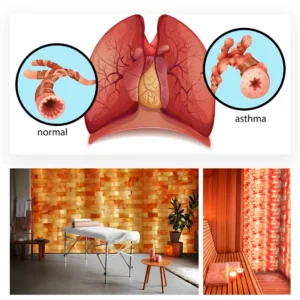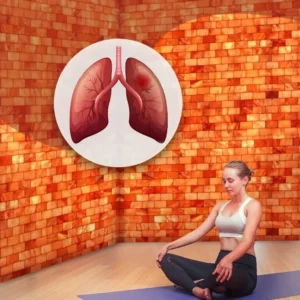

Salt room therapy, also known as speleotherapy, is an increasingly diversely spread natural cure for respiratory diseases and overall health. This alternative cure comprised of spending time in a room filled with finely ground salt, which is supposed to aid the respiratory system. In this meticulous article, we will discuss how salt room therapy works, its benefits, and the scientific proof backing it up. We will also look at patient examinations to show their likely influence on lung diseases.
What Is Salt Room Therapy?
Salt room therapy involves sitting in a specially organized room that simulates a salt cave environment. Usually, such rooms have walls and floors streaked with salts, while microscopic-sized particles of saline are dispersed into the air using aerosol generators. The process is based on speleotherapy regulations, derived from the Greek word “halos,” meaning “salt.”
According to this notion, inhaling tiny particles can help remove mucus, lessen swelling, and enhance general lung function. Salts’ inherent antibacterial effects are thought to contribute to the favorable outcomes associated with this form of cure.
How Does Salt Room Therapy Work?
Several mechanisms underlie how salt room therapies work:
- Aero-Salt Method:
- Natural Properties of Sodium Chloride:
- Microclimate:
- Relaxation
- Benefits of Salt Room Therapy:
- Better Lung Functionality:
- Decreased Inflammation:
- Strengthened Immune System:
- Stress Relief:
- Enhanced Skin Health:
Aero-Salt Method:
Microscopic sodium chloride particles are released into the atmosphere via an aerosol generator, which, when inhaled, reach deep down the respiratory tract, clearing mucus as well as reducing inflammation
Natural Properties of Sodium Chloride:
Having innate antimicrobial abilities, inhaling it might lower bacterial load found within respiratory tracts as well as reduce swelling
Microclimate:
To replicate natural caves, these facilities should create microenvironments that have calming effects on respiratory systems
Relaxation:
Generally, quietness during sessions promotes calmness, thereby lowering stress levels and enhancing the total efficiency of the lungs
Benefits of Salt Room Therapy:
There are many believed benefits related to respiratory health resulting from salt therapy. Here are some key merits:
Better Lung Functionality:
Chronic bronchitis or asthma patients find breathing easier after regular visits because they help clear mucus blocking their airways.
Decreased Inflammation:
Respiratory symptoms become less frequent/severe due to reduced irritation caused by the particles
Strengthened Immune System:
Increased resistance against infections can be achieved through boosting immune system activity using antimicrobial agents present in salts
Stress Relief:
Overall lung health improves when one feels calmer; hence, spending time at a salt chamber could aid in relaxation
Enhanced Skin Health:
Better blood circulation coupled with decreased swelling leads us not only to breathe better but also have our skin looking good
Salt Room Therapy Case Studies
To better understand how salt room therapy influences respiratory health, let’s look at some case studies that show the positive effects of this treatment:
Case Study 1:
In a study published in the Journal of Asthma, researchers observed the consequences of salt room therapy on asthma patients. The study indulge 30 people who underwent ten sessions over two weeks. As a result, asthma symptoms enhanced considerably, such as decreased frequency of attacks and less usage of rescue inhalers. Participants also remarked that their overall quality of life was enhanced, and they could handle their asthma symptoms more efficiently.
Case Study 2: Chronic Bronchitis Relief
A clinical trial published in Chest sampled whether salt room therapy could help people suffering from chronic bronchitis. This study included 40 participants who received speleotherapy twice weekly for six weeks. Coughs, mucus production, and shortness of breath especially decreased after treatment. In addition, patients showed greater lung functionality and an enhanced lifestyle post-therapy.
Case Study 3: Allergic Rhinitis
Researchers studied how helpful salt rooms are for victims with allergic rhinitis by completing a research project characteristics in The American Journal of Rhinology & Allergy. Twenty-five subjects were experienced in the experiment and experienced therapy for four weeks straight. Afterwards, it became clear that nasal congestion, sneezing fits, and itching sensations had noticeably reduced among them while breathing ability got better, along with reduced allergy-related objections overall.
Scientific Evidence Behind Salt Room Therapy
- Chronic Respiratory Diseases Study:
- Inflammatory Markers Research:
- Lung Function Effects:
Anecdotal reports combined with different cases suggest that speleotherapy positively affects respiratory health, but scientific evidence supporting these claims should also be considered carefully. Here are some significant research findings:
Chronic Respiratory Diseases Study:
An article reviewing various studies about chronic obstructive pulmonary disease (COPD) published by the International Journal of Chronic Obstructive Pulmonary Disease exhibit favorable consequence when using speleotherapy.
Inflammatory Markers Research:
The Journal of Inflammation Research conducted another study into inflammatory features among patients who are victims of different respiratory disorders. This study showed that speleotherapy might reduce inflammation within airways due to its correlation with lower levels of provocative implications.
Lung Function Effects:
A study done on asthmatic children showed progress after introducing salt showers daily compared to a control group where no cure occurred. According to Respiratory Medicine journal articles, treatments like these should include more than just one type alone since we have many options available today depending upon individual needs.
Session Duration and Frequency
Depending upon personal requirements/therapy center recommendations, duration/frequency may differ, but generally speaking, here are some guidelines worth mentioning: Most commonly held sessions last somewhere between half an hour and an hour, allowing enough time for the inhalation process so that therapeutic properties start working correctly afterwards.
Frequency:
The frequency of sessions can change depending on the severity of the respiratory disease and individual reaction to therapy. Some people may benefit from several sessions a week, while others power find that one session per week is sufficient.
Consistency:
Consistency is important for achieving optimal results. Regular appointments over weeks or months might be needed before significant improvements in lung health are experienced.
Conclusion
Salt room therapy, or speleotherapy, provides a natural and non-invasive way to improve breathing problems. In a controlled environment where tiny salt particles are inhaled, individuals could experience better lung function, less inflammation, and increased overall well-being. However, although anecdotal evidence and case studies point to positive outcomes here, more scientific research needs to be done for these claims about their effectiveness to be fully validated.However,as research revolves around this field of study—particularly concerning its applicability to managing respiratory conditions—salt room therapy could become an increasingly accepted option for promoting human health.
Source of this medical information: